How Forest Images Shape Casino Storytelling
Forest images shape casino storytelling by giving woodland a role in plot and character; learn how to build a clear motif that serves the story.
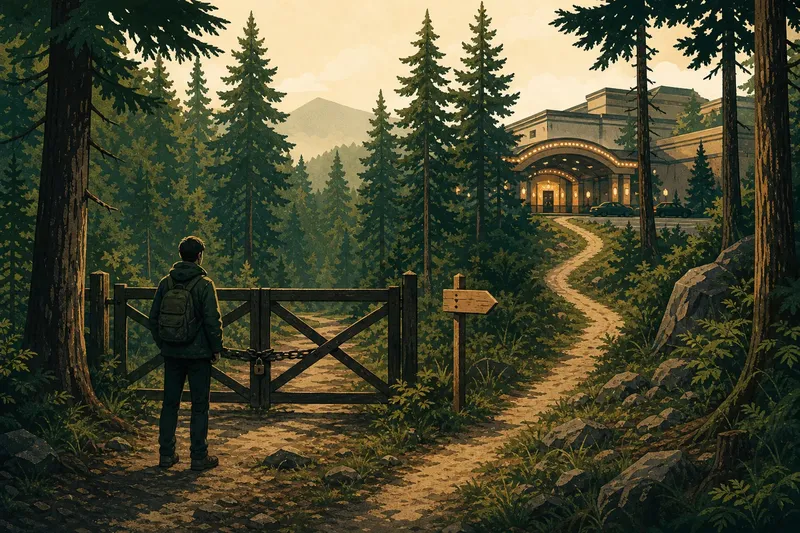
A designer pins a sketch of a casino entrance beside a hand-drawn forest path, then notices the path has become the more interesting part of the scene. Forest images shape casino storytelling not only through atmosphere, but through what the woodland makes characters do: pause, take a detour, lose sight of one another or choose a route.
For forestry students, that offers a useful way to think about woodland as an active setting rather than a decorative backdrop. The trees, paths and openings can affect the story’s movement, while the casino supplies a contrasting destination with its own rules and routines.
Let the forest change what characters can do
A forest can organise a scene through access and obstruction. A narrow track may bring two characters together; a fork can force a choice; a clearing can expose a meeting that the trees had concealed. These are plot functions, not just visual moods.
That approach also gives the woodland a more specific role than simply making a casino look remote. A character might use a familiar path to avoid the main entrance, or lose their bearings when a route divides. The setting matters because it changes the available actions.
Use woodland details to shape the story’s movement
Begin with features a viewer can recognise: a footpath, a stand of pines, a stream crossing, a boundary fence or a recently cleared patch. Each can guide movement differently. A fence may redirect someone towards a gate; a stream may make the direct route impractical; a clearing may offer a place to stop.
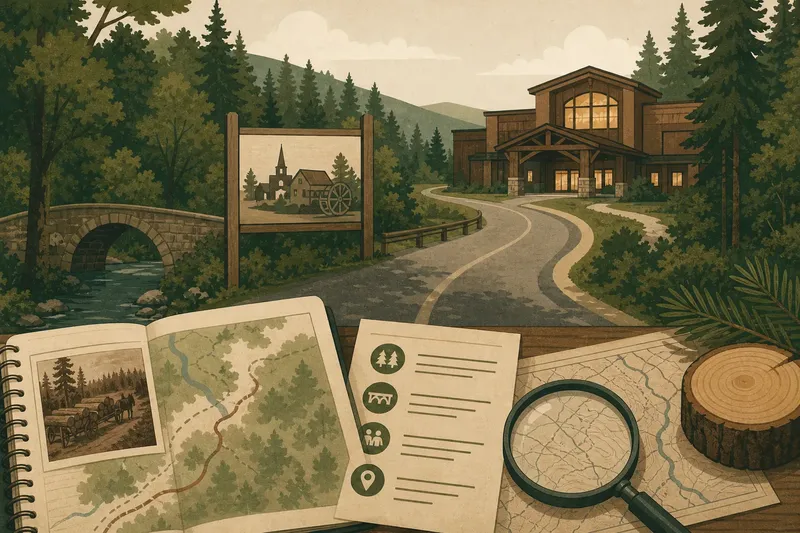
For a student project, a simple map can help keep those choices consistent. Mark the casino, the route characters take, the point where they hesitate and any woodland feature that changes their direction. The map is a working aid, like a labelled drawer: it keeps useful pieces in order without pretending they all serve the same purpose.
Make forest and casino environments affect one another
The contrast between managed buildings and woodland can matter beyond appearance. A story might show visitors leaving a lit car park for an unpaved track, or a service entrance placed near a tree line. Those details can suggest how people move between developed space and forest, without turning the trees into scenery that has no relation to the plot.
For a forestry perspective, keep the setting’s physical character coherent. Consider whether the path is maintained, where it meets a road, and what kind of vegetation belongs in the scene. A fictional setting need not document a real forest, but its choices should support the world the story has established.
How can a forest setting shape the plot?
What can a path do in a casino story?
A path can lead a character towards an entrance, carry them away from it or divide their choices at a junction. Decide what the character needs at that moment, then give the route a clear effect on their next action.
How can woodland affect a character’s decision?
A blocked track, a visible gate or a meeting in a clearing can change what seems possible. The choice becomes convincing when the story shows the relevant feature before the character responds to it.
Which forest details help a setting feel coherent?
Keep the route, vegetation and nearby built features consistent from scene to scene. A map or brief location note can help a student film avoid moving a gate, path or stream without explanation.
Does a forest setting need to represent a real place?
No. A fictional woodland can be designed for the story, as long as the details fit together. If the work presents a real site or makes claims about land use, identify the sources and seek appropriate context rather than relying on a staged image.
Choose forest details that give the scene a clear function
Before adding branches, tracks or buildings, decide what the character must encounter and what choice follows. Use this list to connect each visible feature to a practical story decision:
- Check whether the route is meant to lead directly to the casino; if it is, show a continuous path or sign, then use that route for arrival; if not, add a bend or junction and have the character take another way.
- Check whether a gate is open or closed; if open, let the character pass through, then show what lies beyond; if closed, give them a visible alternative such as a marked entrance or a return along the track.
- Check whether the trees conceal a meeting place; if they do, let the characters reach it by a defined path, then reveal the meeting there; if concealment is not needed, use a clearing with an unobstructed approach.
- Check whether a stream interrupts the route; if it does, have the character cross at a shown bridge or turn back; if it does not affect the action, keep it out of the route so it does not create an unexplained obstacle.
- Check whether the casino is reached by a public road or a footpath; if the story needs a vehicle arrival, connect the entrance to the road; if the character arrives on foot, show the footpath meeting the entrance.
- Check whether vegetation stays consistent between scenes; if a marked tree line or clearing is present in the first scene, keep it in later views; if the route changes, show a turn or transition that explains the difference.
Say you are planning an invented student film scene. The starting layout has one casino entrance, a wooded lane, a closed gate on the direct route and one footpath that bends towards a side entrance. First, mark the gate as impassable and the footpath as the available route. Next, have the character reach the gate, stop, then follow the bend; keep the side entrance visible only after the turn. The expected result is a sequence in which the obstruction causes a detour and delays arrival. If the audience can see the side entrance from the gate, move the turn or adjust the framing so the route choice remains clear.
Give the woodland a role beyond decoration
When reviewing a scene, ask what changes because the forest is there. If the answer is “nothing”, a path, boundary or clearing may be more useful than extra foliage. If a feature redirects a character or shapes a meeting, make that consequence visible in the action.
This is also where forest images connect naturally with forestry study: woodland is made of places, routes and boundaries, not a single interchangeable green background. In casino storytelling, those features can carry the plot from the forest edge to the venue door—and make the journey matter.